Budgeting Guide
Let me tell you something embarrassing. Back in 2019, I landed a job that paid more than anything I had ever earned before. Within sixty days, I had nothing to show for it. Not a single penny saved. The money vanished like water through a sieve, and I could not even tell you where most of it went. That was the moment I realized earning more money was never the problem. The problem was that I had no plan for the money once it showed up.
That painful experience turned me into someone who now tracks every rupee, dollar, and cent. I have tested nearly every budgeting method out there, failed at half of them, and finally found what actually works for real people living real lives. This guide is everything I wish someone had handed me before I learned the hard way.
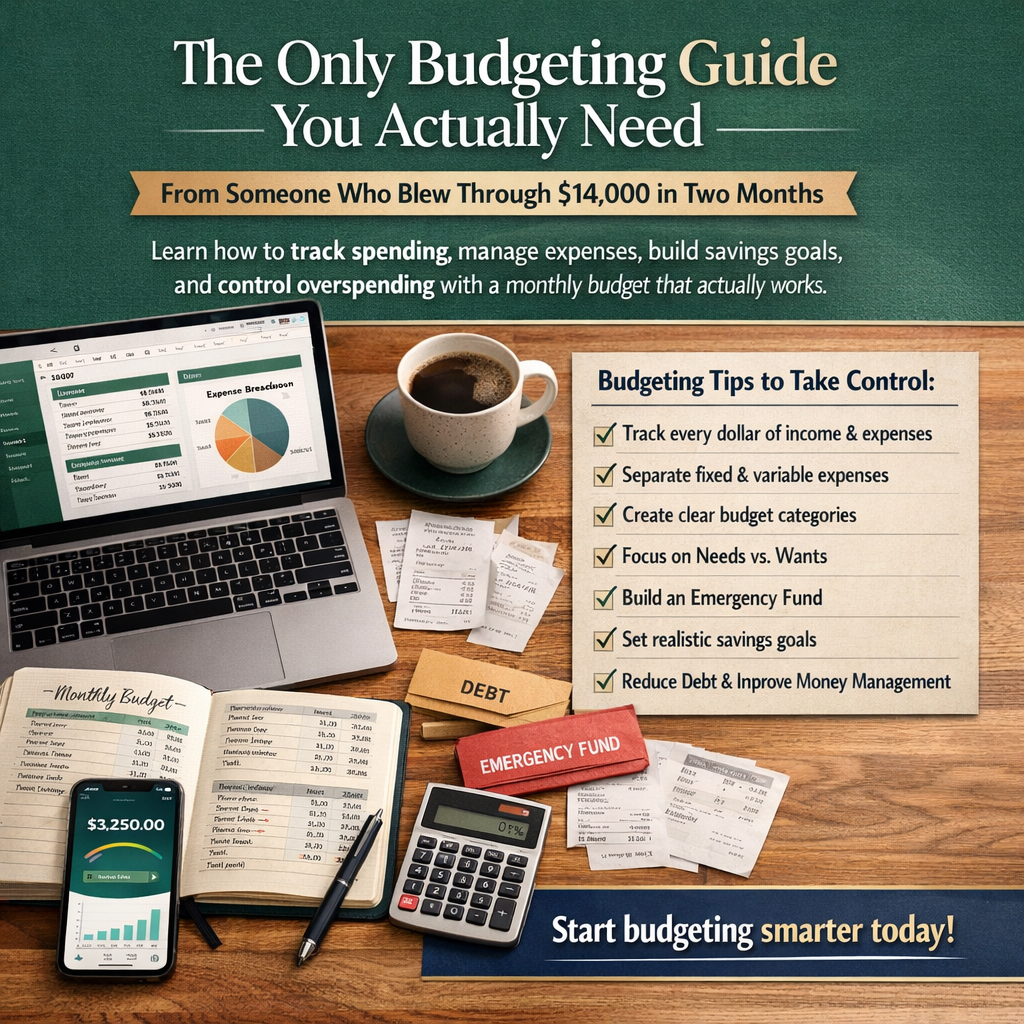
Why Most People Fail at Budgeting Before They Even Start
Here is the truth nobody tells you. Budgeting fails not because people are bad with money. It fails because people pick the wrong system for their personality. Telling a spontaneous, creative person to track every single transaction in a spreadsheet is like asking a cat to fetch the newspaper. Technically possible, but you are setting everyone up for disappointment.
The other reason people give up? They try to change everything overnight. They go from spending freely to cutting every expense at once, and by week two, they feel deprived, resentful, and ready to throw the whole plan out the window. I know this because I did exactly that. Three times.
A budget is not a punishment. Think of it more like a GPS for your money. It does not stop you from going places. It just helps you get where you actually want to go.
Step One: Figure Out Where Your Money Is Actually Going
Before you create any budget, you need an honest snapshot of your current spending. Not what you think you spend. What you actually spend.
Here is how I did it, and how I recommend you do it too.
Pull up your bank statements and digital payment history for the last 90 days. If you use apps like Venmo, Cash App, Zelle, PayPal, or your bank’s mobile app, export or download those transactions. Most major banks — Chase, Bank of America, Wells Fargo, and others — let you filter and export transaction history directly from their app or website. If you rely heavily on cash, this part gets trickier, but do your best to estimate based on your ATM withdrawals.
Now sort everything into rough categories. Do not overthink this. You only need about eight to ten buckets: housing, food, transport, utilities, subscriptions, personal spending, health, debt payments, savings, and everything else.
When I first did this exercise, the numbers shocked me. I was spending nearly 22% of my income on eating out. Not groceries. Just takeout and restaurant meals. That single discovery changed everything because I had been telling myself it was “only a few orders a week.”
You cannot fix what you cannot see. This step takes about two hours, and those two hours will be the most valuable financial exercise you ever do.
Step Two: Pick a Budgeting Method That Matches Your Brain
There is no single right way to budget. What matters is finding the approach that you will actually stick with for more than a month. Here are the methods I have personally tested, with honest notes on each one.
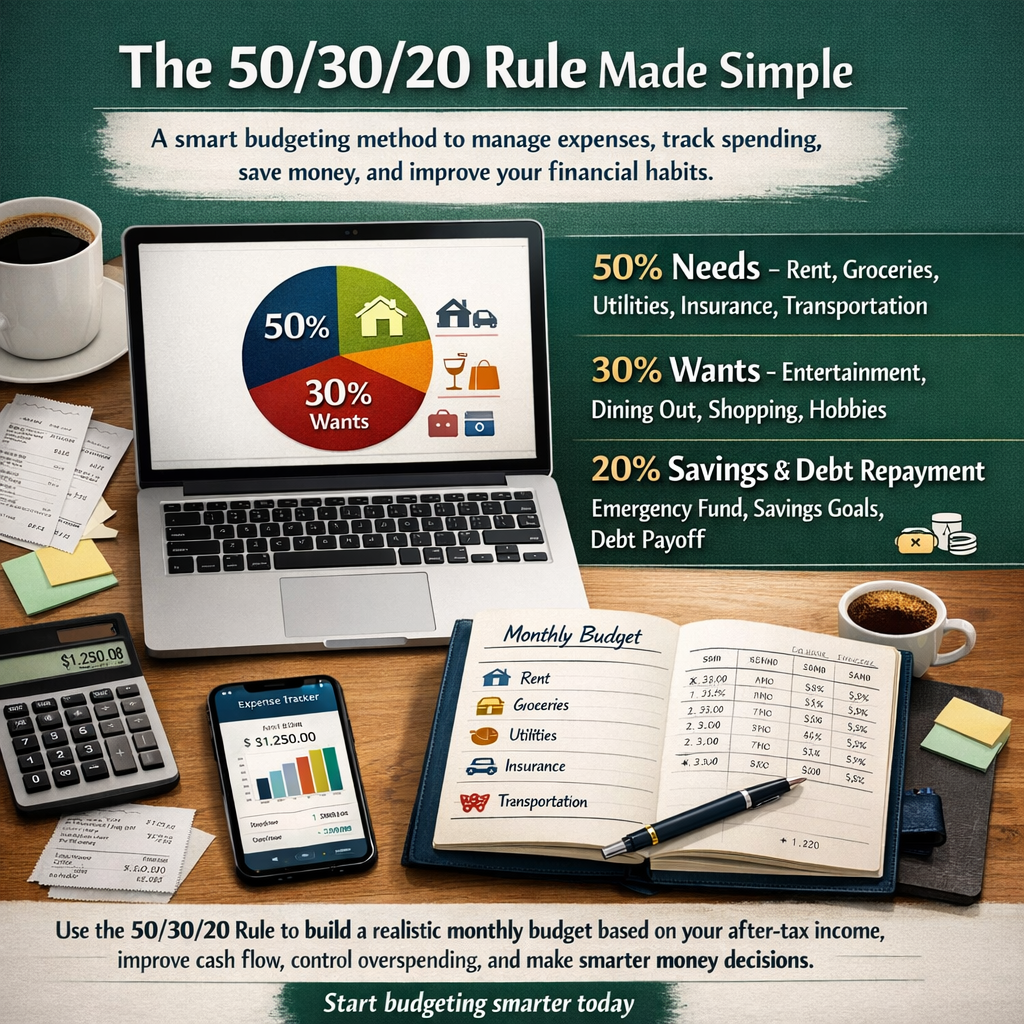
The 50 30 20 Rule
This is the classic starting point. Fifty percent of your after tax income goes to needs (rent, food, utilities, transport, minimum debt payments). Thirty percent goes to wants (dining out, entertainment, hobbies, that new phone case you do not need but desperately want). Twenty percent goes to savings and extra debt payments.
I love this method for beginners because it does not require tracking every single purchase. You just need to make sure your broad categories stay within those percentages. It is a guardrail approach rather than a micromanagement approach.
Where it falls short: if your needs already eat up 70% or more of your income, the math simply does not work. In that case, you need to either increase income or use a different framework. No shame in that.
Zero Based Budgeting
Every single unit of currency gets assigned a job before the month starts. Income minus all planned expenses should equal zero. This does not mean you spend everything. It means every amount is accounted for, including the money you plan to save.
I used this method for about eight months and it genuinely transformed my relationship with money. The app YNAB (You Need A Budget) is built around this concept, and it is worth every penny of the subscription if you are serious about getting control. Alternatively, EveryDollar by Ramsey Solutions offers a free version that works well.
The downside? It requires discipline and weekly check ins. If your income fluctuates month to month (freelancers, gig workers, commission earners), you will need to adjust constantly. I found this exhausting during months when my income was unpredictable.
The Envelope System
Old school but surprisingly effective. You withdraw cash and divide it into physical envelopes labeled for each spending category. When an envelope is empty, you stop spending in that category until the next month.
I tried this for three months and it genuinely curbed my impulse spending. There is something psychologically powerful about handing over physical cash versus tapping a card. Research backs this up too. People consistently spend less when using cash.
The modern twist is to use digital envelope apps like Goodbudget, which mimics the system without requiring you to carry wads of cash everywhere. I switched to Goodbudget after my grocery envelope fell out of my pocket at a market. Never found it.
The Pay Yourself First Method
This one flips the traditional approach. Instead of budgeting expenses and saving what is left, you save first and spend what remains. Set up an automatic transfer on payday that moves a fixed amount into savings or investments before you touch anything.
This is hands down the easiest method for people who hate budgeting. You only make one decision (how much to save), automate it, and then spend the rest guilt free. I still use this as the foundation of my system, even though I layer other methods on top.
Step Three: Set Up Your Tools
You need something to track your money. Pen and paper works, but most people benefit from digital tools. Here is what I have used and what I recommend.
For spreadsheet lovers: Google Sheets is free and accessible from any device. There are dozens of free budget templates online. I personally use a modified version of a template I found on Reddit’s personal finance community. It took me about an hour to customize it, and I have used it for over three years now.
For app people: YNAB is the gold standard for zero based budgeting. Mint was popular for years but shut down. Monarch Money picked up where Mint left off and offers solid automatic transaction tracking. For those in Pakistan or South Asia, Wallet by BudgetBakers handles multiple currencies well and does not require linking bank accounts.
For minimalists: A simple notes app on your phone where you log purchases at the end of each day. My wife does this and has maintained the habit for over two years. Sometimes the simplest tool is the one you actually use.
Pick one tool. Just one. Do not spend three weeks researching the perfect app. The best budgeting tool is the one you open regularly.
Use our free tool:
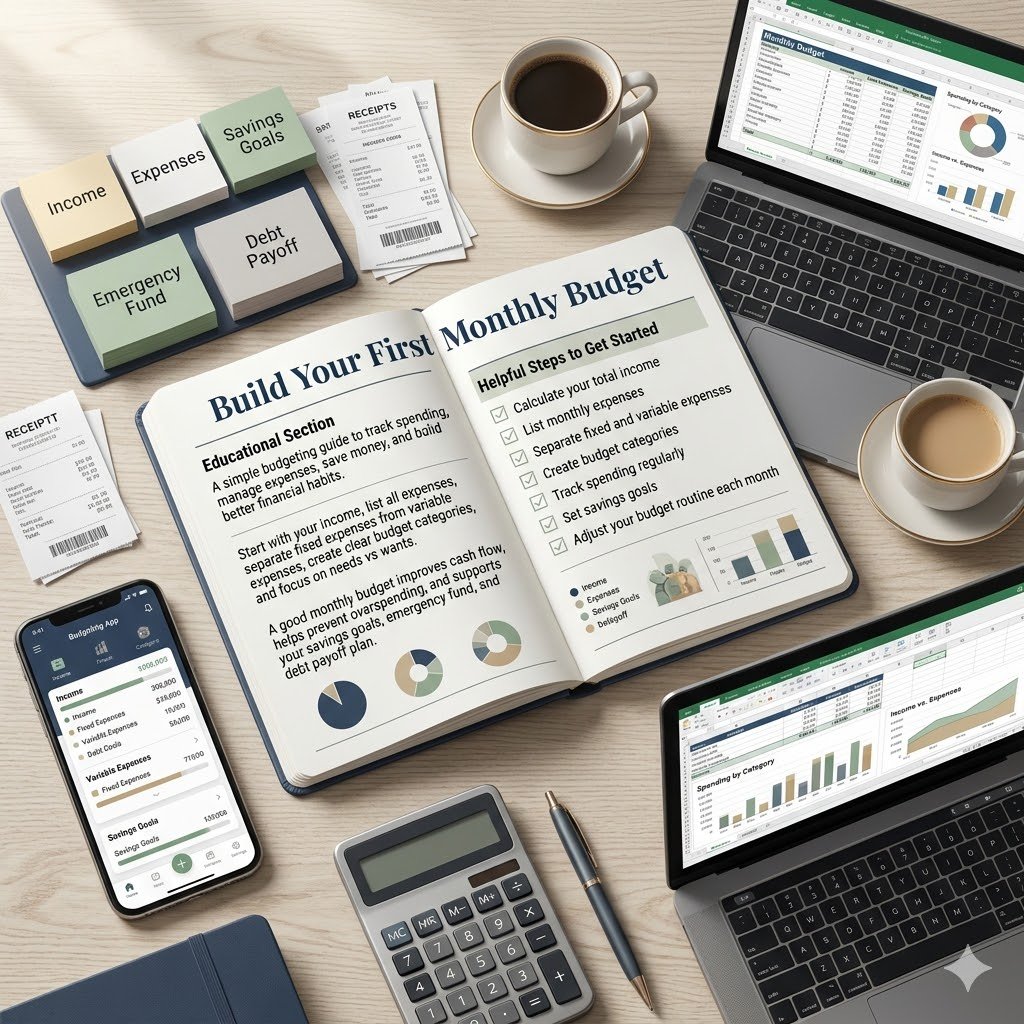
Step Four: Build Your First Monthly Budget
Now that you know where your money goes and you have picked your method, it is time to build your first actual budget. Here is the process I walk people through.
Start with your take home income for the month. If your pay varies, use the average of your last three months, or better yet, use the lowest month as your baseline. This builds in a natural cushion.
List your fixed expenses first. Rent, loan payments, insurance, phone bill, internet, subscriptions. These barely change month to month, so they are easy to plan.
Next, estimate your variable expenses. Groceries, fuel, electricity (if it fluctuates), personal care, entertainment. Use your 90 day spending review from Step One as your guide, but set targets that are slightly lower than your current average. I recommend cutting about 10% off your current variable spending as a starting goal. Cutting more than that usually leads to burnout.
Then assign money to your financial goals. Emergency fund contributions, debt payoff beyond minimums, investment transfers, or saving for something specific like a vacation or a new laptop.
Finally, leave a small buffer for the unexpected. I keep about 5% of my monthly income unassigned. This covers random expenses like a friend’s birthday gift or an unexpected car repair without blowing up the entire budget.
Step Five: The Weekly Check In (This Is Where the Magic Happens)
Creating a budget takes one evening. Maintaining it is where most people fall off the wagon. The secret weapon? A weekly check in that takes less than fifteen minutes.
Every Sunday evening, I sit down with my phone and review the past seven days. I look at what I spent, compare it to my plan, and make adjustments if one category is running hot. If I overspent on groceries, I know I need to cook with what I already have for the rest of the month. If I underspent on entertainment, I might give myself permission to grab dinner out later that week.
This is not about beating yourself up. It is about staying aware. Think of it like stepping on a scale. The number itself does not change anything, but the awareness it creates does.
I set a recurring reminder on my phone for these check ins. Without that reminder, I would absolutely forget. Build the habit with a cue, and it becomes automatic within a few months.
Common Budgeting Mistakes I Have Made So You Do Not Have To
Mistake number one: making the budget too tight. My first real budget allocated zero money for fun. I lasted eleven days before rage buying a pair of headphones I did not need. Give yourself permission to spend on things that bring you joy. A budget that makes you miserable is a budget you will abandon.
Mistake number two: not accounting for irregular expenses. Car registration, annual subscriptions, holiday gifts, wedding season. These are not surprises. They happen every year. Divide annual costs by twelve and set aside that amount monthly. I keep a separate savings account just for these predictable but irregular expenses. When Amazon Prime renews or Eid comes around, the money is already waiting.
Mistake number three: budgeting as a couple without actually talking about it. When my wife and I first combined finances, I built a beautiful spreadsheet and presented it like a business proposal. She hated it. We fought about it for a week. Then we started building the budget together, which meant compromising on categories and priorities. The budget we both helped create is the one we both follow.
Mistake number four: giving up after one bad month. You will overspend. You will have months where nothing goes according to plan. A medical emergency, a job change, an unexpected move. One rough month does not erase progress. Just reset and start fresh the next month. Budgeting is a practice, not a performance.
What to Do When Your Income Is Irregular
Freelancers, small business owners, commission based workers, and anyone with fluctuating income needs a slightly different approach. I freelanced for two years and the income rollercoaster nearly drove me to madness.
Here is the system that saved me. First, calculate your bare bones budget. This is the absolute minimum you need to survive: rent, food, utilities, transport, and minimum debt payments. This number is your floor.
Second, build a buffer fund equal to one month of bare bones expenses. This sits in a separate savings account and acts as your personal paycheck. When a big payment comes in, it goes into the buffer first. You then “pay yourself” a steady amount from the buffer each month, smoothing out the highs and lows.
Third, anything above your baseline pay goes toward savings goals and lifestyle spending, in that order. During good months, stack your emergency fund and pay down debt aggressively. During lean months, you live off the buffer and keep essentials covered.
This approach turned freelancing from a financial anxiety machine into something manageable. It takes about three to four months to get the buffer fully funded, but once it is in place, the stress reduction is enormous.
How to Stay Motivated When Budgeting Feels Boring
Let me be frank. Budgeting is not exciting. Nobody wakes up thrilled to categorize grocery receipts. But you know what is exciting? Watching your savings account grow. Paying off a credit card. Having enough cash to handle an emergency without panic.
I track my net worth once a month in a simple spreadsheet. Watching that number climb, even slowly, is addictive in the best way. It is like a video game progress bar for your financial life.
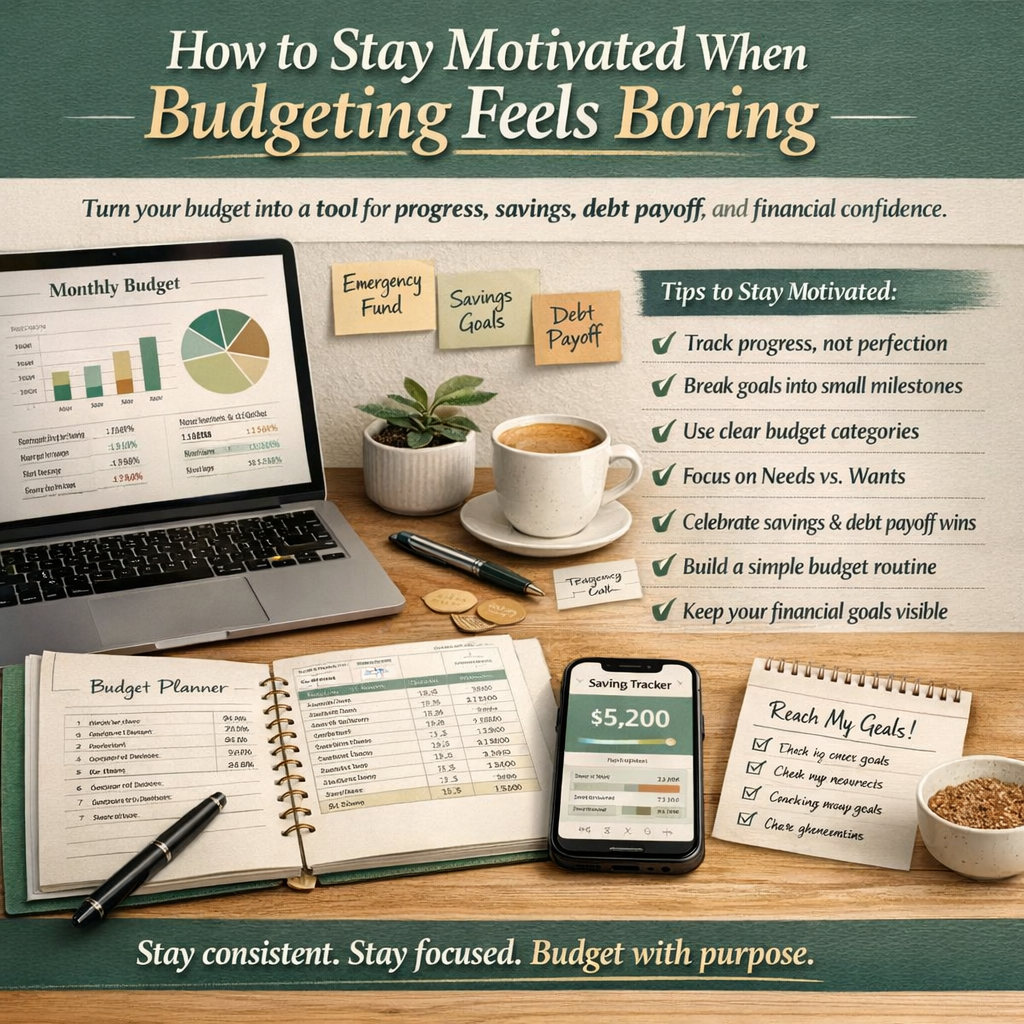
Celebrate milestones. When I paid off my first loan, my wife and I went out for a nice dinner. When we hit our emergency fund goal, we bought something we had been wanting for months. Rewards keep the journey enjoyable.
Find a money buddy. Having someone to share progress with makes a remarkable difference. This could be a spouse, a friend, or even an online community. The r/personalfinance and r/budgeting communities on Reddit are full of people cheering each other on. Budget after payoff debt.
Building Your Budget for the Long Haul
The budget you create today will not be the budget you use five years from now. Life changes, income shifts, priorities evolve. The framework stays the same, but the numbers and categories adjust constantly.
Review your overall budget structure every three months. Are your categories still relevant? Have your goals shifted? Did you get a raise that should change your savings rate? These quarterly reviews keep your budget aligned with your actual life rather than some outdated version of it.
And remember, the goal of budgeting is not to restrict your life. It is to fund the life you actually want. Every “no” you say to an impulse purchase is a “yes” to something more meaningful down the road. That reframe changed budgeting from a chore into a tool that gives me freedom.
I went from someone who could not account for $14,000 to someone who can tell you within a few dollars where every bit of income went last month. Not because I became a different person, but because I found a system that fit who I already was. You can do the same. Start small, stay consistent, and give yourself grace when you stumble. The numbers will take care of themselves.
Keep Reading: More Budgeting Guides Worth Your Time
This pillar guide covers the foundation, but budgeting has a lot of moving parts depending on where you are in life. Here are some deeper dives that pick up where this article leaves off.
How to Budget on a Low Income Without Losing Your Mind — Practical strategies when the 50 30 20 rule simply does not fit your paycheck. Covers assistance programs, priority stacking, and small wins that add up.
The Best Budgeting Apps for 2026 Compared — A hands on review of YNAB, Monarch Money, Goodbudget, and several free alternatives. I tested each one for at least 30 days and share what actually worked.
Zero Based Budgeting for Beginners: A Complete Walkthrough — If the zero based method from this guide caught your eye, this post walks you through setting it up step by step with real screenshots and examples.
How to Budget as a Couple Without Fighting About Money — Combining finances is tricky. This guide covers joint accounts, allowance systems, and the conversations you need to have before merging your money.
How to Build an Emergency Fund from Scratch — The safety net that makes every other financial goal possible. Covers how much you actually need, where to keep it, and how to fund it even when money is tight.
Budgeting for Irregular Income: A Freelancer’s Survival Guide — Expands on the buffer system mentioned above with templates, real month by month examples, and tips for seasonal income swings.
Budgeting for Students: Managing Money When You Have Almost None — Tailored advice for university students juggling tuition, rent, and social life on a razor thin margin.
Each of these posts ties back to the principles covered here, so feel free to bookmark this page as your home base and explore whatever topic fits your situation.